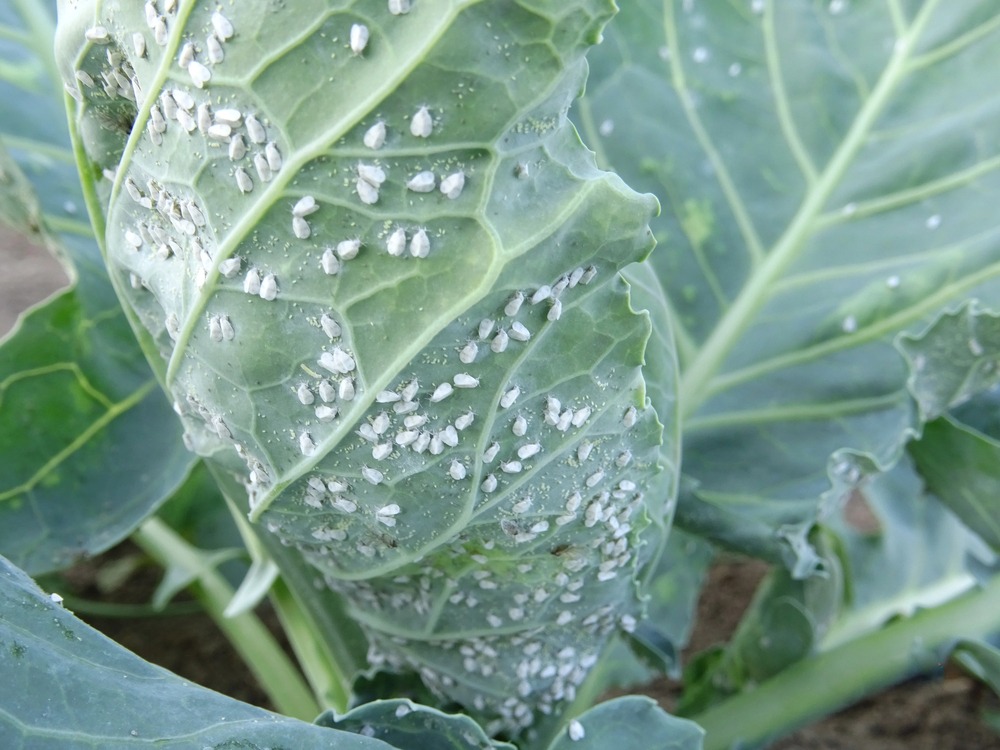
Whiteflies may be small, but they can cause serious damage fast. These tiny, sap-feeding insects gather on the undersides of leaves, where they weaken plants by removing plant juices and excreting sticky honeydew. That honeydew can lead to sooty mold, reduced plant vigor, yellowing foliage, and lower crop quality. Because whiteflies reproduce quickly and can develop resistance, choosing the right insecticide and using it correctly is essential.
The best insecticide for whiteflies depends on the crop, infestation level, life stage present, and whether you are treating vegetables, ornamentals, greenhouse plants, or field crops. For many growers, strong whitefly control starts with proven products such as Exirel, Oberon, Endeavor, and Forbid 4F Miticide.
Why Whiteflies Are Difficult to Control
Whiteflies are challenging because eggs, nymphs, and adults may all be present at the same time. Adults can fly when disturbed, while immature stages remain attached to leaves and are harder to reach. Heavy populations can rebound if applications do not contact the target area or if the same mode of action is used repeatedly.
Coverage Matters
For effective control, spray coverage on the undersides of leaves is critical. Whiteflies typically feed and reproduce there, so poor coverage can leave a large part of the population untouched.
Rotation Helps Prevent Resistance
Whiteflies are known for developing resistance to insecticides. Rotating between products with different modes of action helps maintain performance and reduce selection pressure.
Top Insecticide Options for Whitefly Control
Exirel Insecticide

For many growers, Exirel is a strong choice when whiteflies are actively feeding and causing plant stress. Exirel is commonly used in specialty crop programs and is valued for its activity on several piercing and chewing pests. When whiteflies are present alongside other insect pressures, it can be a useful fit in an integrated pest management program.
Oberon Miticide/Insecticide

Oberon is another excellent option to consider, particularly when immature stages are a concern. Whitefly nymphs can be difficult to manage once populations build, so products that fit well into a resistance management rotation are valuable.
Oberon is often used where growers need dependable control of mites and whiteflies in labeled crops. It can be especially helpful when paired with routine scouting and early intervention before infestations become severe.
Endeavor Insecticide

Endeavor is another option for whitefly management, especially when targeting sucking insects in ornamental or crop production systems, where labeled. It is often selected for programs focused on aphids and whiteflies.
Because whiteflies can be persistent, Endeavor may work best as part of a planned spray rotation rather than as a one-time rescue treatment. Always check the label for crop use, rates, application intervals, and restrictions.
Forbid 4F Miticide

Forbid 4F Miticide is another proven option for managing whiteflies and mites in labeled use sites. It is commonly used in ornamental and greenhouse pest management programs and can be valuable when immature whiteflies are part of the problem.
Forbid 4F is a good example of why proper rotation is important. Repeatedly using the same type of chemistry can increase resistance pressure, so alternating products with different modes of action is a key best practice.
How to Get Better Whitefly Control
Scout Early and Spray Thoroughly
Whiteflies are easier to control when populations are low. Inspect the undersides of leaves regularly, especially on new growth. When applying insecticides, coverage is critical. Poor coverage often leads to disappointing results, even with a high-quality product.
The Best Whitefly Insecticide Depends on Your Program
There is no single best insecticide for every whitefly situation. For active infestations, products like Exirel, Oberon, Endeavor, and Forbid 4F can all play important roles when matched to the crop, pest stage, and label requirements. The most effective approach is to scout early, apply with excellent coverage, and rotate chemistries to protect long-term control.
Before applying any insecticide, always read and follow the full product label, including crop listings, rates, personal protective equipment, pre-harvest intervals, and application restrictions.