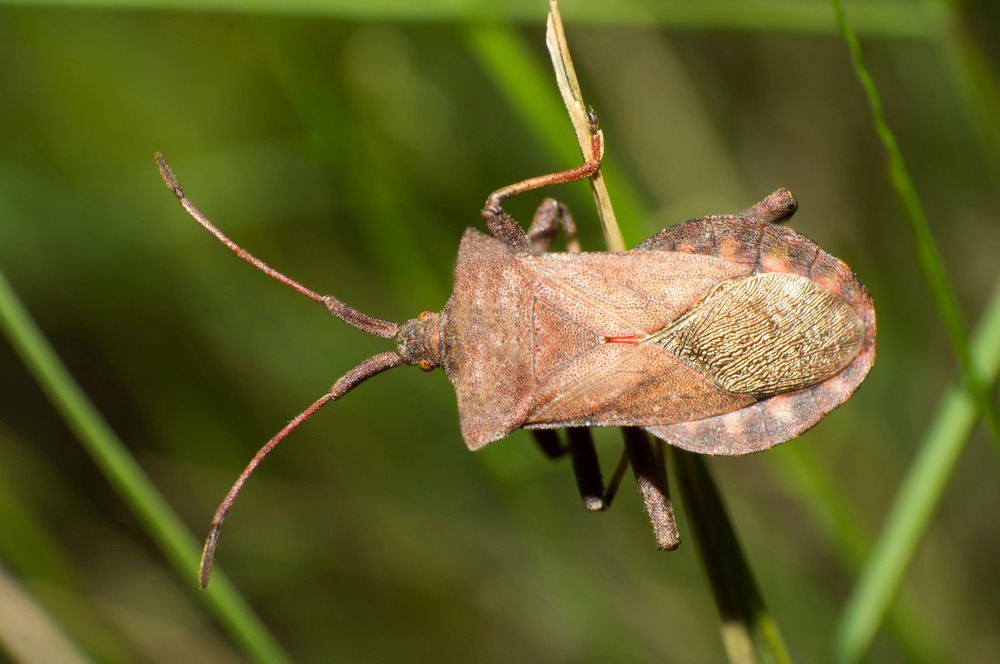
Stink bugs can be more than a seasonal nuisance. For growers, landscapers, and property managers, these pests can cause direct feeding damage to fruits, vegetables, field crops, ornamentals, and other valuable plants. Their piercing-sucking mouthparts allow them to feed on plant tissue, often leaving behind distorted growth, blemished fruit, or reduced crop quality. When populations build, choosing the right insecticide becomes an important part of an effective stink bug control program.
So, what insecticide kills stink bugs? The best option depends on where the stink bugs are active, what plants or crops need protection, and how severe the infestation has become. Professional products such as Cryptoid XL, Venom, Belay, and Safari 20 SG are commonly considered when targeting tough sucking insects like stink bugs.
Why Stink Bugs Are Difficult to Control
Stink bugs are mobile, persistent, and often move into treated areas from surrounding vegetation. This makes control challenging because a single application may not eliminate every insect at once. Adults can fly in from nearby weeds, wood lines, crop borders, or unmanaged areas, while nymphs may continue feeding in protected plant canopies.
Because of this, successful stink bug control usually requires more than simply spraying when insects are noticed. Scouting, correct insect identification, proper timing, and thorough coverage all play major roles in improving results.
What Insecticide Kills Stink Bugs Effectively?
Several professional insecticides can help control stink bugs when used according to the product label. The best choice depends on the treatment site and crop or ornamental being protected.
Cryptoid XL for Broad-Spectrum Insect Control

Cryptoid XL is a strong option for applicators looking for broad-spectrum insect control. It can be a useful part of a stink bug management plan where fast knockdown and dependable coverage are needed. As with any insecticide, always confirm the labeled use site and application rate before treating.
Venom Insecticide for Sucking Pests

For stink bugs and other piercing-sucking insects, Venom is another product to consider. It is often selected for difficult pest pressure where systemic or targeted activity may be beneficial, depending on the labeled application method.
Belay for Crop Protection Programs

Belay is frequently used in agricultural pest management programs and can fit well into a stink bug control rotation. Rotating insecticide modes of action is important for reducing the risk of resistance and maintaining long-term performance.
Safari 20 SG for Ornamental and Landscape Uses

When stink bugs are affecting ornamentals, nursery stock, or landscape plantings, Safari 20 SG may be a practical choice. It is commonly used for challenging sucking insect pests and can be especially useful where systemic activity is desired, provided the site and pest are listed on the label.
Tips for Better Stink Bug Control
For best results, treat stink bugs when populations are still manageable. Focus on field edges, host plants, and areas where feeding injury first appears. Good spray coverage is essential, especially because stink bugs may hide under leaves, along stems, or deep within plant canopies.
Always read and follow the insecticide label for application rates, personal protective equipment, pre-harvest intervals, restricted-entry intervals, and approved treatment sites.
A Better Solution
The insecticide that kills stink bugs best will depend on your specific crop, plant type, infestation level, and application site. Products like Cryptoid XL, Venom, Belay, and Safari 20 SG can all play a role in a professional stink bug management strategy. By combining the right product with proper timing, thorough coverage, and label-compliant application, you can reduce stink bug damage and protect the plants or crops that matter most.