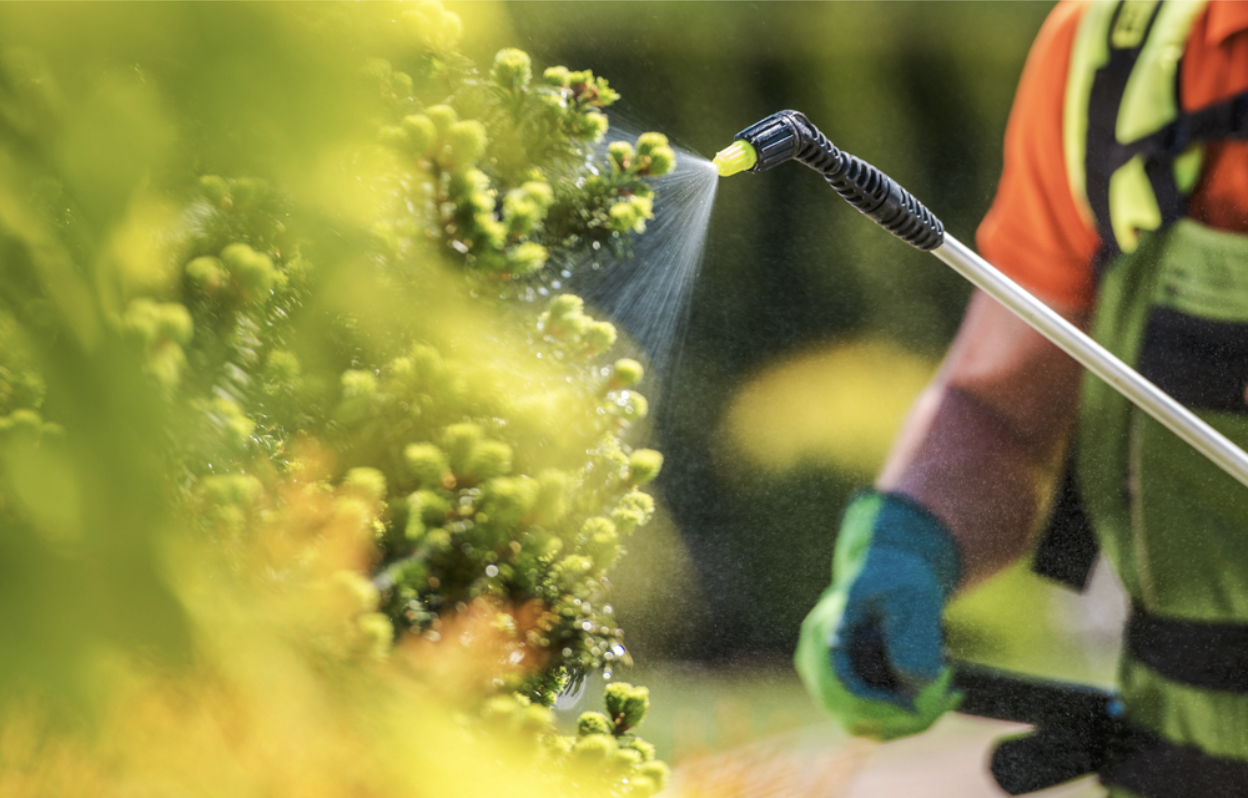
Plants typically receive most of their nutrition through their roots, but roots are not the only pathway nutrients can take. Foliar feeding gives growers, land managers, farmers, and turf professionals another way to deliver important nutrients directly to plant tissue.
When used correctly, foliar feeding can provide plants with readily available nutrients during critical periods of growth, help address certain nutrient deficiencies, and complement a well-planned soil fertility program. It is used across everything from row crops and forage systems to food plots and managed turf.
Understanding how foliar feeding works and when to use it, is essential for getting the most from a foliar fertilizer application.
What Is Foliar Feeding?
Foliar feeding is the practice of applying liquid nutrients directly to the leaves and other above-ground portions of a plant. Rather than relying exclusively on roots to absorb nutrients from the soil, a foliar application places dissolved nutrients in contact with plant surfaces where they may be absorbed into plant tissue.
Foliar fertilizers are typically mixed with water and applied using agricultural sprayers, backpack sprayers, ATV sprayers, or other application equipment appropriate for the acreage being treated.
Growers commonly use foliar feeding to supplement a broader fertility program rather than completely replace soil-applied fertilizer.
Plants still require adequate soil fertility for sustained growth because their overall nutrient requirements can be substantial. However, foliar applications can be particularly useful when plants need access to specific nutrients during important developmental stages or when environmental and soil conditions limit nutrient availability.
How Does Foliar Feeding Work?
Plant leaves are covered by a protective outer layer known as the cuticle. They also contain microscopic openings and other pathways that can allow certain substances to enter plant tissue.
When a properly formulated foliar fertilizer reaches the leaf surface, nutrients in the spray solution can potentially move into the plant and become available for metabolic processes.
Successful uptake depends on numerous variables, including:
- Nutrient formulation
- Spray concentration
- Plant species
- Growth stage
- Leaf condition
- Temperature
- Humidity
- Water quality
- Spray coverage
- Application timing
Because environmental conditions strongly influence absorption, simply spraying nutrients onto plants does not guarantee an effective foliar feeding response.
What Are the Benefits of Foliar Feeding?
One of the primary advantages of foliar feeding is the ability to deliver nutrients directly to actively growing plant tissue.
Foliar fertilizer can be especially valuable when a crop or planting needs supplemental nutrition without waiting for a soil-applied nutrient to move through the root zone.
Rapid Nutrient Availability
Foliar applications can provide certain nutrients relatively quickly because they are applied directly to plant surfaces instead of first entering the soil.
This makes foliar feeding useful for targeted nutritional support during periods of rapid vegetative growth, reproductive development, environmental stress, or other high-demand stages.
Targeted Nutrient Applications
Foliar feeding also allows managers to make targeted applications based on plant requirements.
Micronutrients are especially well suited to foliar programs because plants require them in comparatively small quantities. Depending on the crop and fertilizer formulation, foliar programs may include nutrients such as:
- Iron
- Manganese
- Zinc
- Boron
- Copper
- Magnesium
- Sulfur
Macronutrients may also be included depending on the formulation and intended use.
Complementing Soil Fertility
Foliar feeding should generally be viewed as one component of an overall plant nutrition strategy.
Soil testing, tissue testing, crop requirements, yield goals, soil characteristics, and environmental conditions can all help determine where supplemental foliar nutrition may fit into a fertility program.
A strong soil fertility foundation combined with strategically timed foliar applications can provide managers with more flexibility throughout the growing season.
Best Time of Day to Foliar Feed Plants
The best time of day to foliar feed plants is generally during cooler periods when environmental conditions favor spray retention and nutrient absorption.
Early morning is often an excellent application window. Evening applications can also be appropriate when weather conditions are suitable.
Avoid applying foliar fertilizers during the hottest portion of the day whenever the product label or agronomic recommendations indicate that heat could reduce performance or increase the risk of plant injury.
Why Temperature Matters
High temperatures can cause spray droplets to evaporate more rapidly after reaching the plant surface. Faster evaporation may reduce the amount of time dissolved nutrients remain available for absorption.
Excessive heat can also increase plant stress. Applying concentrated fertilizer solutions to already stressed foliage may increase the potential for leaf burn or other crop response.
Cooler morning conditions often provide a longer period for the spray solution to remain on the leaf.
Why Humidity Matters
Moderate to higher relative humidity can slow evaporation, giving foliar solutions more time to remain in contact with plant surfaces.
Very dry conditions, by comparison, may cause droplets to dry rapidly.
However, managers should also consider rainfall and dew. Heavy rain shortly after application may wash material from leaves before adequate absorption occurs.
Always follow the fertilizer label regarding rainfastness, application temperature, mixing instructions, and other environmental restrictions.
How Often Should You Foliar Feed?
There is no single application interval that works for every crop or fertilizer.
Foliar feeding frequency depends on factors such as:
- Plant species
- Growth stage
- Existing fertility
- Nutrient deficiencies
- Product formulation
- Application rate
- Environmental conditions
- Production goals
Some foliar fertilizers are intended for applications at particular growth stages, while others may be incorporated into a recurring nutritional program.
More fertilizer is not automatically better. Excessively concentrated or frequent applications can waste product and potentially damage plant tissue.
Follow the product label and applicable crop recommendations carefully.
Foliar Feed Fertilizers for Every Use
Foliar feeding is used across a broad range of agricultural, recreational, forage, and turf management systems. Selecting the right formulation begins with understanding what you are growing and what nutritional objective you are trying to accomplish.
Foliar Feed for Crops
Commercial crop production often requires precise nutrient management throughout the growing season.
Foliar fertilizer may be used to supplement nutrient availability during rapid growth, address identified micronutrient requirements, or support crops during important developmental stages.
The appropriate formulation depends heavily on the specific crop, soil fertility program, tissue analysis, yield objective, and growth stage.
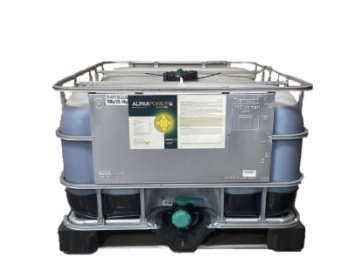
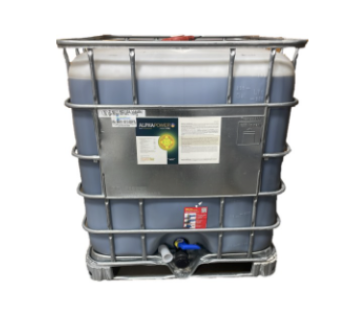
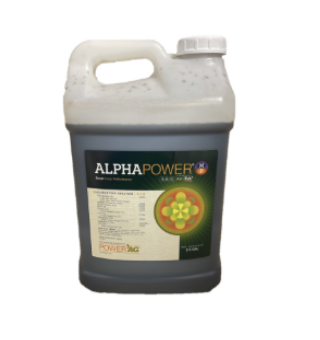
Growers looking for nutritional options can explore foliar feed products for crops designed for agricultural applications.
When incorporating foliar fertilizer into crop production, pay close attention to application rates, compatibility with other spray products, water volume, and crop-stage restrictions.
Foliar Feed for Food Plots
Food plots can benefit from proper fertility just like commercial crops.
Whether growing clover, brassicas, cereal grains, soybeans, or other wildlife forage, adequate plant nutrition helps establish productive stands capable of producing desirable forage.
Foliar nutrition can provide supplemental nutrients during the growing season and may be especially useful when incorporated into an established food plot management program.
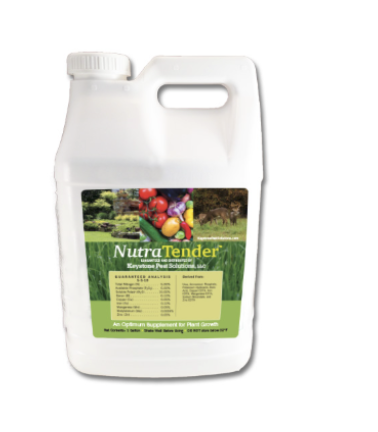
Consider foliar feed options for food plots for products suited to wildlife habitat and forage management.
For best results, combine foliar applications with proper seedbed preparation, soil testing, pH management, weed control, and appropriate soil fertility.
Foliar Feed for Rangeland & Pasture
Healthy forage is the foundation of productive pasture and rangeland systems.
Nutrient availability can influence forage growth, stand vigor, recovery following grazing, and overall pasture productivity.
Depending on the management system, foliar fertilizer may supplement conventional fertility practices and provide targeted plant nutrition during active growth periods.
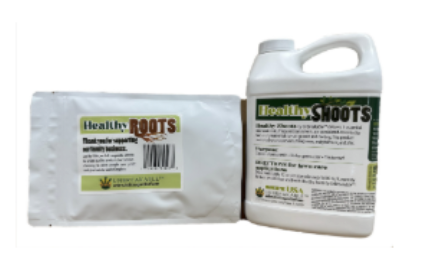
Foliar feed products for rangeland and pasture are designed to support forage management programs.
Before applying fertilizer, consider forage species, grazing pressure, soil fertility, weather conditions, and long-term pasture objectives.
Foliar Feed for Grass & Turf
Managed turf experiences unique nutritional demands.
Lawns, athletic fields, golf turf, commercial landscapes, and other maintained grass areas are frequently mowed and subjected to traffic or environmental stress. A carefully managed fertility program can help maintain desirable growth, density, and appearance.
Foliar feeding gives turf managers another method of supplying nutrients in controlled amounts throughout the growing season.
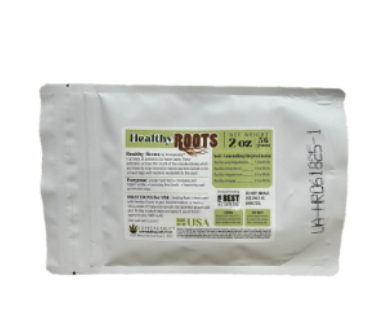
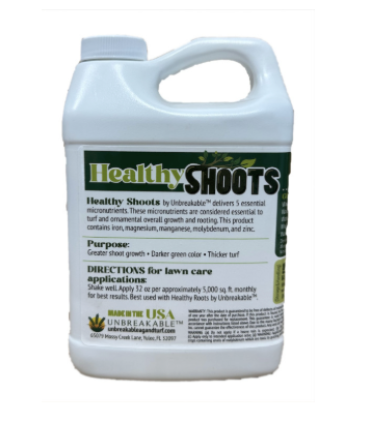
A range of foliar feed products for grass and turf is available for different turf management applications.
Applications should be calibrated carefully because excessive fertilizer rates can cause undesirable growth or turf injury.
Tips for Successful Foliar Feeding
Effective foliar feeding requires more than choosing a fertilizer and spraying it over the plant canopy.
Start by reading the entire product label. Confirm that the product is appropriate for the crop or site, and follow all listed mixing rates and application directions.
Good spray coverage is also important. Foliar applications should reach enough plant surface area to provide effective contact without unnecessary runoff.
Water quality can also influence fertilizer performance and tank compatibility. When combining foliar nutrients with pesticides or other products, carefully review all labels and compatibility guidance before making a tank mixture.
Finally, consider the weather forecast. Excessive heat, high winds, drought-stressed plants, or rainfall shortly after application may reduce the effectiveness of a foliar treatment.
Is Foliar Feeding Worth It?
Foliar feeding can be a valuable management tool when it is used for the right purpose.
It offers a practical method for supplying supplemental plant nutrients directly to foliage and can be incorporated into fertility programs for crops, food plots, forage, pasture, and managed turf.
However, foliar fertilizer is not a substitute for understanding soil fertility. Soil testing and, where appropriate, plant tissue analysis remain important tools for determining what nutrients plants actually need.
Make Foliar Feeding Part of a Complete Fertility Program
Foliar feeding gives growers and land managers another way to fine-tune plant nutrition during the growing season. By applying properly formulated nutrients directly to foliage, managers can supplement soil fertility and provide targeted nutrition when plants need additional support.
The key is matching the fertilizer to the plant, applying it at an appropriate growth stage, and choosing favorable environmental conditions. Early morning or other cool, suitable application periods can help maximize spray retention, while correct rates and thorough coverage help reduce unnecessary waste and plant injury.
Whether you are managing commercial crops, a wildlife food plot, pasture acreage, or high-quality turf, a properly planned foliar feeding program can become a valuable component of your overall fertility strategy. Always follow product labels, application instructions, and crop-specific recommendations to achieve the best possible results.