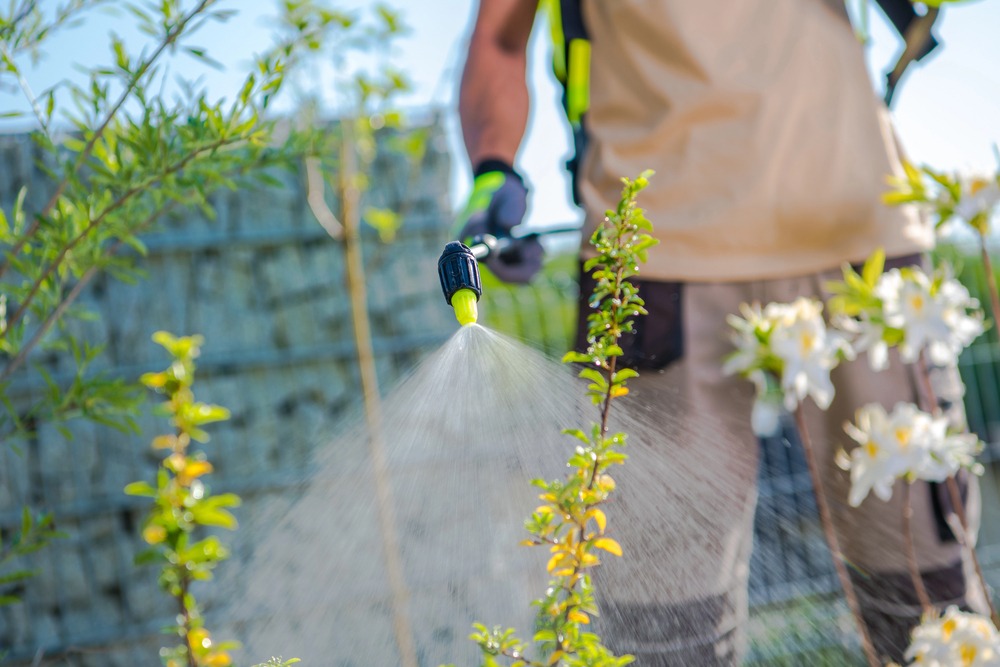
Knowing the best time of day to spray herbicide can help improve weed control while reducing problems such as drift, runoff, or poor absorption. While there is no single hour that works for every herbicide, many post-emergent products perform best when weeds are actively growing and weather conditions are favorable.
In general, late morning through the afternoon can be an effective application window once heavy morning dew has dried. However, product-specific label directions should always take priority when deciding when and how to spray.
What Is the Best Time of Day to Spray Herbicide?
For many post-emergent herbicides, daylight applications work well because weeds are actively growing and able to absorb foliar treatments. Late morning can be especially convenient because dew has often dried while temperatures have not yet reached their daily peak.
Avoid choosing a spraying time based on the clock alone. Temperature, wind speed, plant stress, rainfall, and the specific herbicide all matter.
Weather Conditions to Consider Before Spraying
Temperature and Plant Growth
Herbicides generally perform best when target weeds are healthy and actively growing. Plants experiencing drought, disease, or other stress may not absorb or move systemic herbicides as effectively.
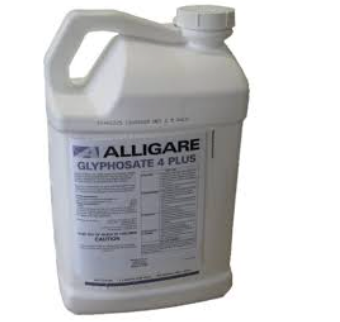
For example, Glyphosate 4 Plus is a 41% glyphosate systemic, non-selective post-emergent herbicide designed for broad-spectrum control of many annual and perennial weeds, brush, and other vegetation. Its product guidance specifically cautions against treating weeds under poor growing conditions such as drought stress.
Wind
Wind is another major factor. Excessive wind can carry spray droplets away from the intended treatment area, potentially reducing coverage and increasing the risk of contacting desirable vegetation.
Choose an application period that falls within the wind-speed requirements listed on your herbicide label.
Dew and Rain
Heavy morning dew may dilute foliar sprays or cause droplets to run off plant surfaces. Waiting until foliage has dried can improve coverage.
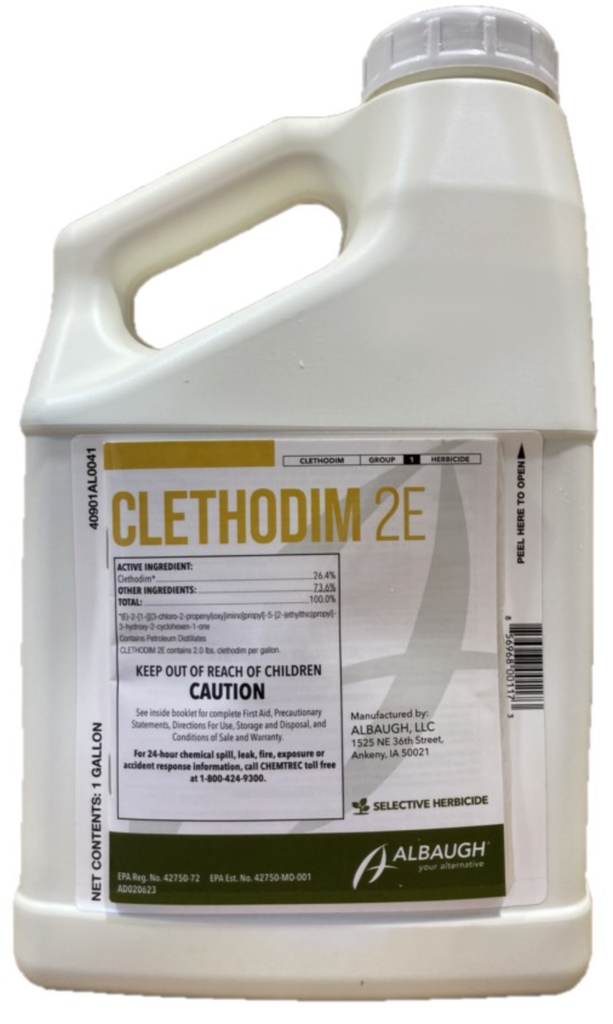
You should also consider the product’s rainfast period. Clethodim 2E Herbicide, for instance, is a selective systemic grass herbicide used to control emerged annual and many perennial grasses in labeled broadleaf crops and food plots. Its current product information lists it as rainfast after one hour, although the full label should always be consulted before application.
Choosing an Herbicide for the Target Weed
Timing matters, but so does selecting the right herbicide.
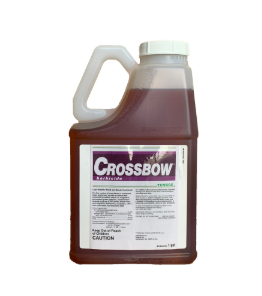
For woody plants and difficult broadleaf weeds, Crossbow Herbicide Brush Killer is designed for use in areas such as fence rows and the edges of wooded areas. It targets undesirable woody plants and broadleaf weeds including briars, poison ivy, thistles, sumac, and other labeled species.
Clethodim 2E is better suited to selective grass control where preservation of labeled broadleaf crops or forage is important, while Glyphosate 4 Plus provides non-selective vegetation control. Choosing the product according to the target weed and labeled site is just as important as choosing the right spraying window.
Is Morning or Evening Better for Spraying Herbicide?
Late morning is often a practical choice because foliage is typically drier and weeds are actively growing. Afternoon treatments may also be effective when temperatures and wind remain within label requirements.
Evening applications can work for some products, but cooling temperatures, increasing humidity, and developing dew may affect spray conditions.
Get Better Results From Every Herbicide Application
The best time of day to spray herbicide is when weeds are actively growing, foliage is appropriately dry, winds are manageable, and rain is unlikely during the product’s required rainfast period.
There is no universal spraying schedule, so always read and follow the herbicide label for approved crops and sites, application rates, environmental restrictions, adjuvant requirements, rainfast intervals, and safety precautions.
Whether you need selective grass control, broad-spectrum vegetation management, or brush and broadleaf weed control, Keystone Pest Solutions offers herbicide options for a wide range of agricultural, food-plot, pasture, and vegetation-management applications.